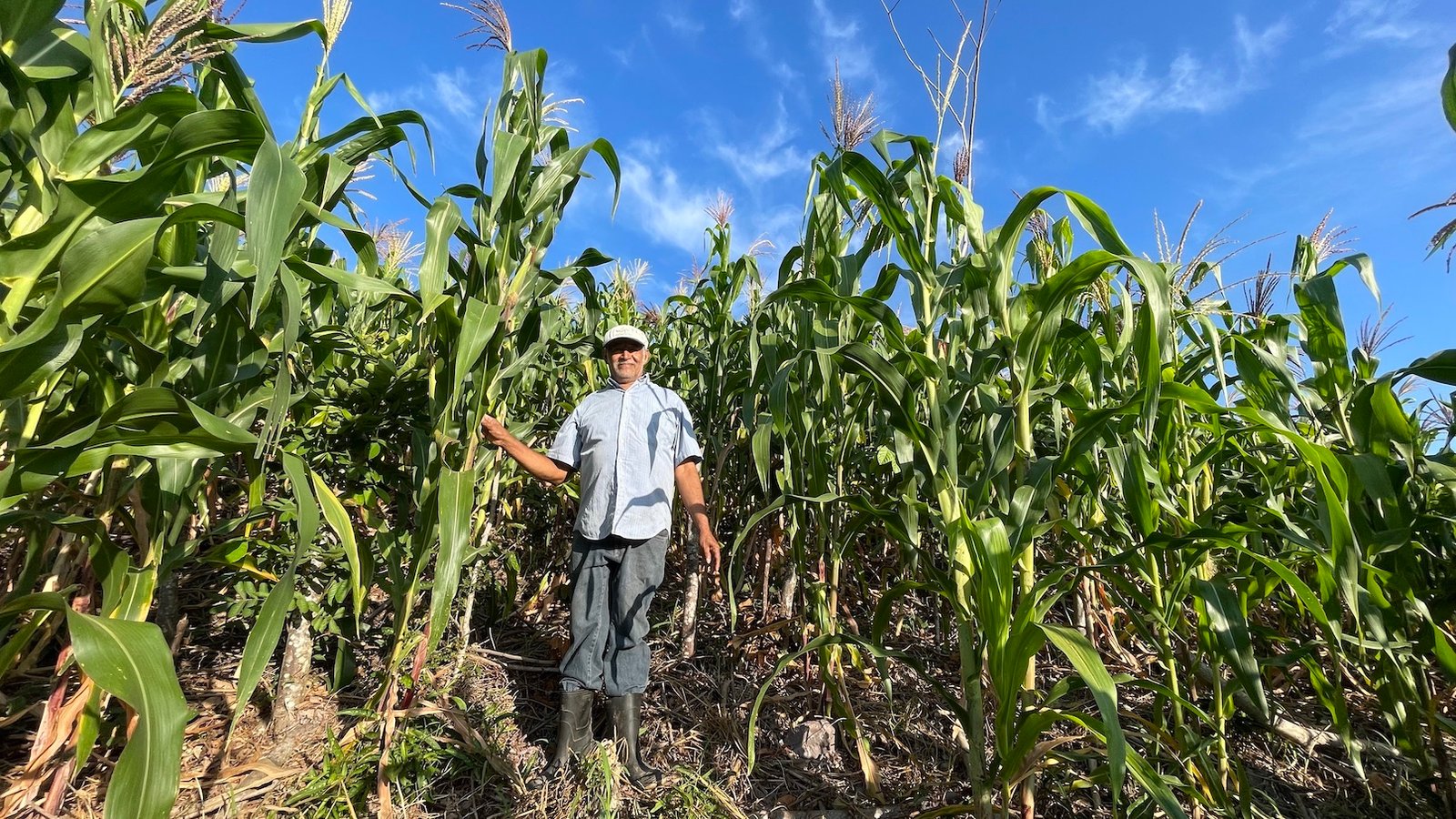
Our flagship Land for Life Project began in 2012, originally established as a 10-year program. It now supports over 600 families in the area surrounding Pico Bonito National Park, Northern Honduras, who have given up the practice of slash and burn and switch to sustainable agriculture, improving their food security and livelihoods in the process.
We are working with each family to implement the flexible Inga Model in the way that will best meet their individual needs. Alongside Inga Alley Cropping, we are also providing them with support to establish fruit-tree crops and to reforest areas of their land (read about the Inga Model here). Each new family has been asked to plant a small number of Inga trees as an orchard to provide enough seed for a further three families to take up alley cropping.
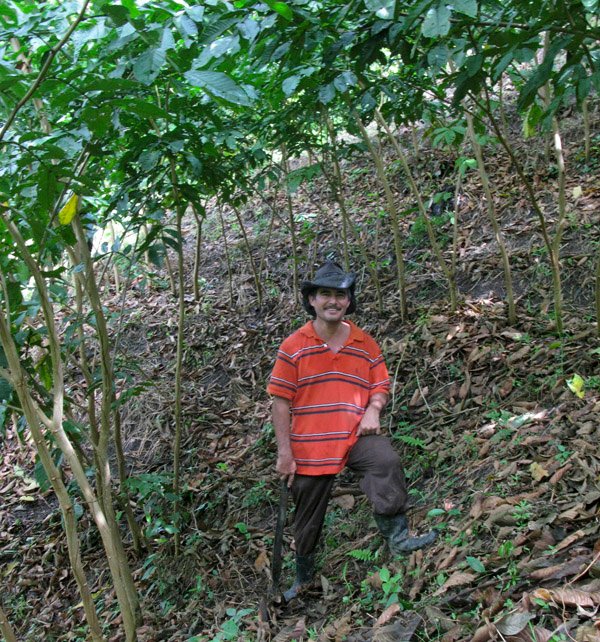
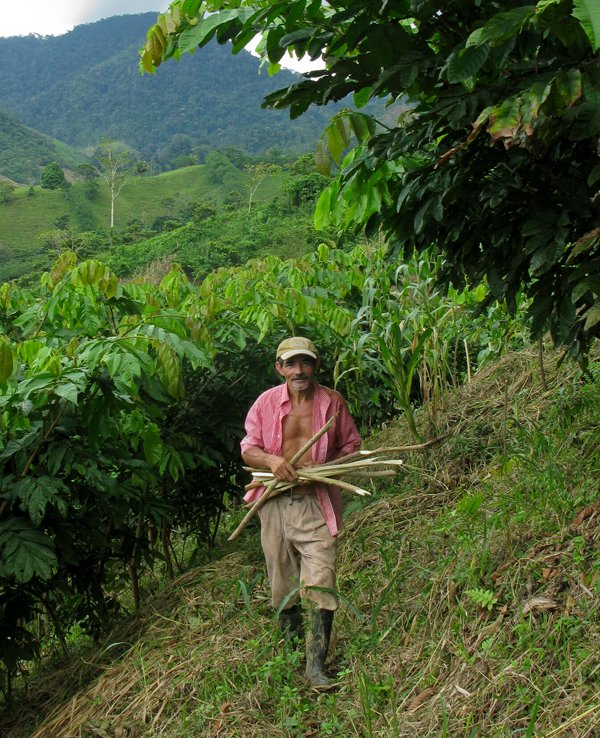
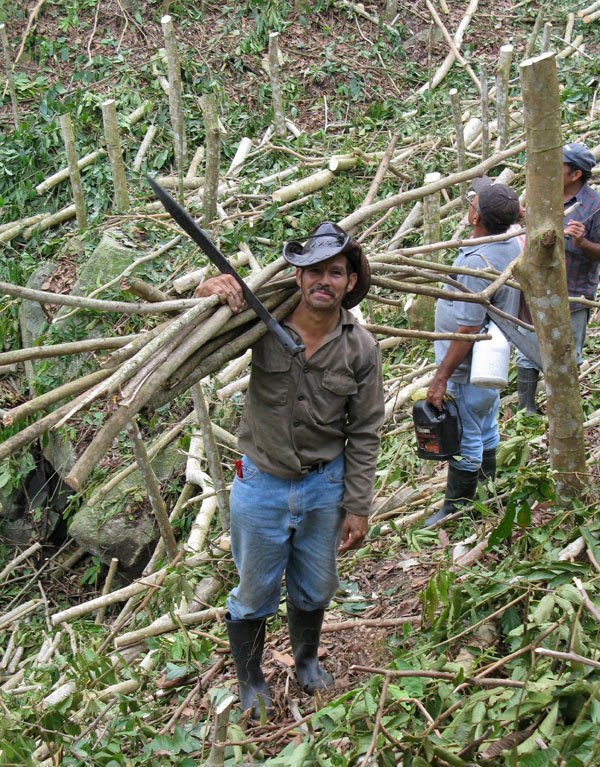
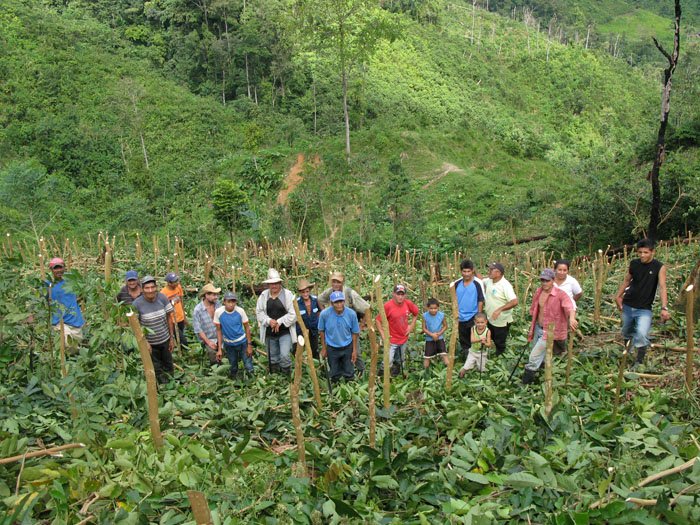
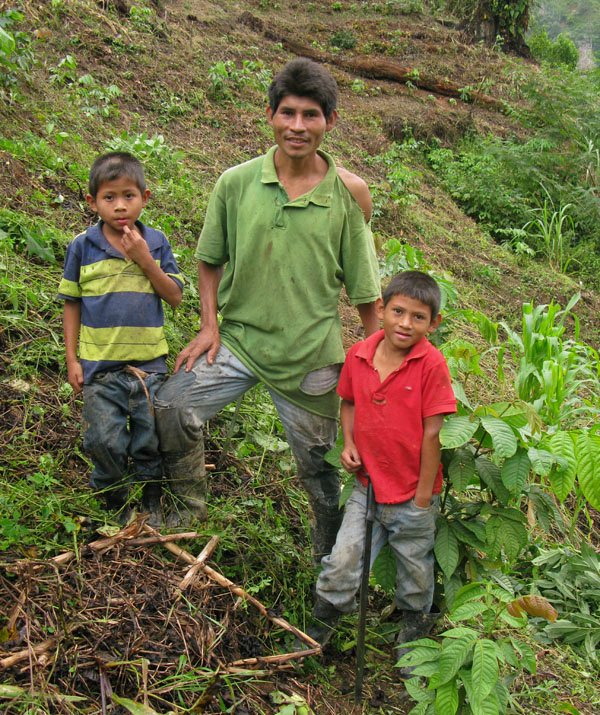
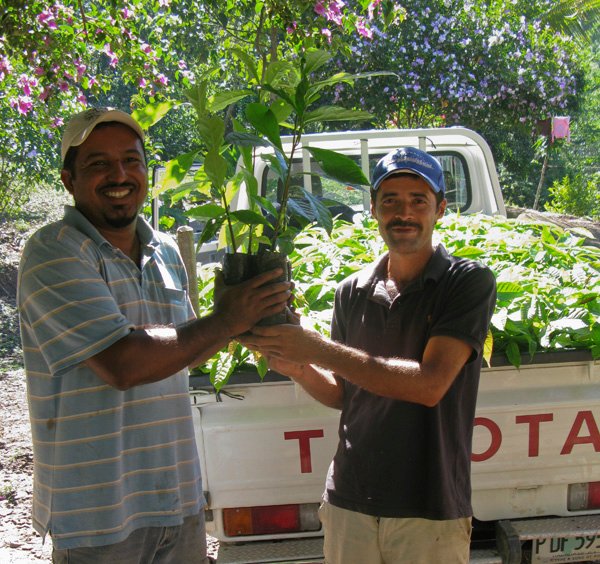
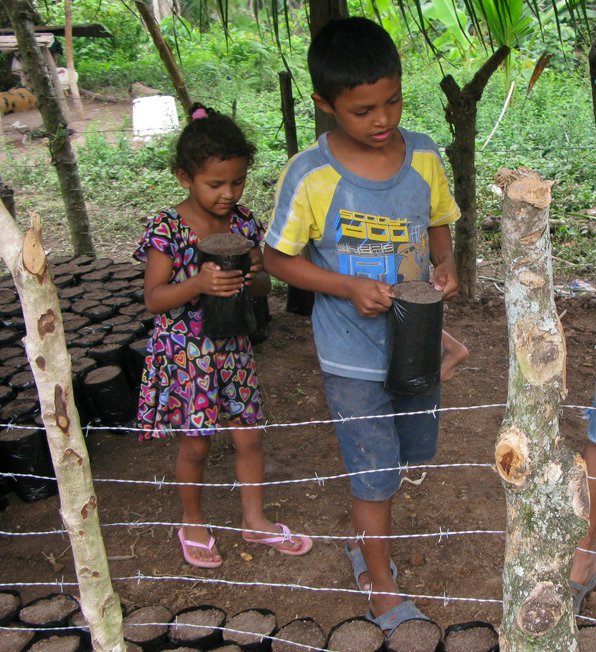
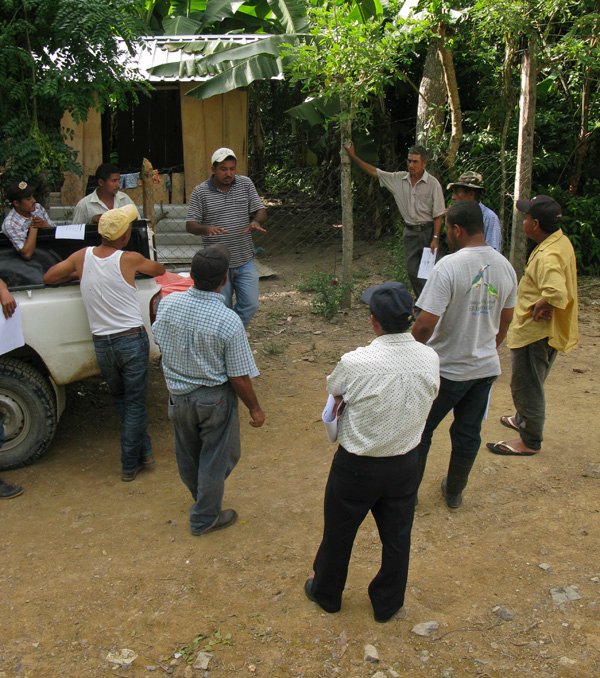
We work with the communities living in two key river catchments which border Pico Bonito National Park – the Cuero and the Cangrejal River Valleys. At present, we are aiming to bring on board 40 new families each year and so far this year it looks like we will not only achieve that target, but exceed it by a wide margin, bringing us to a total of over 163 families involved in the project (by September 2014)
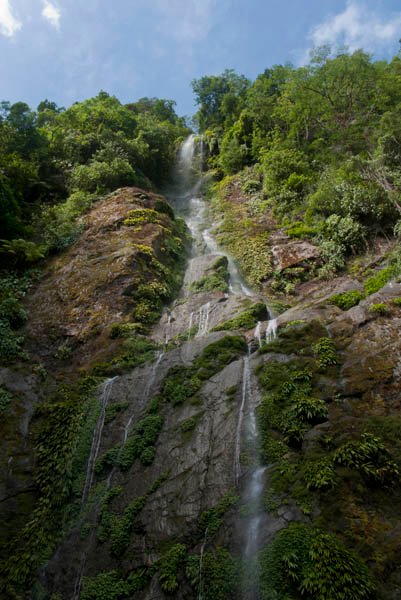
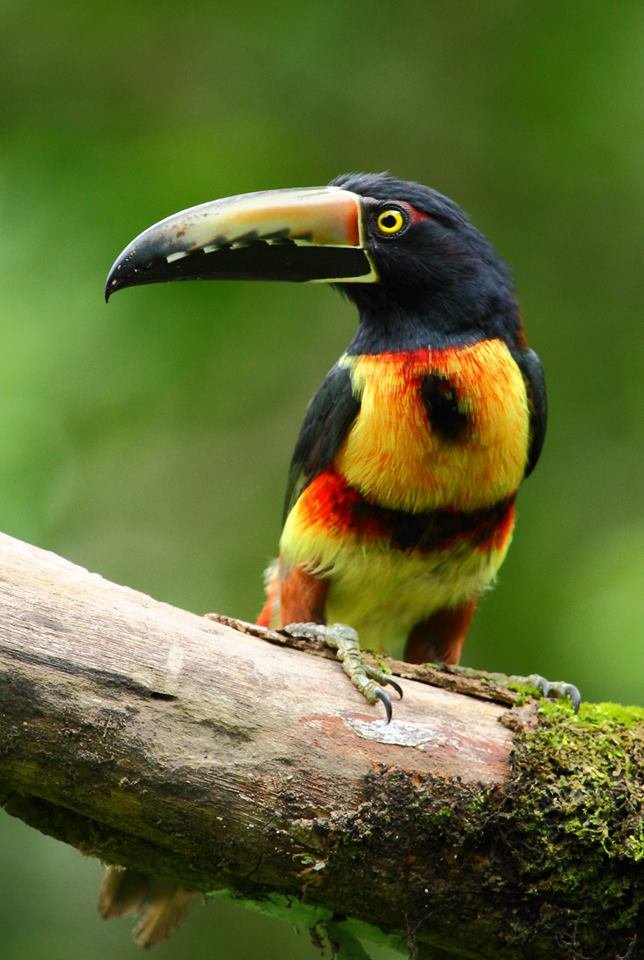
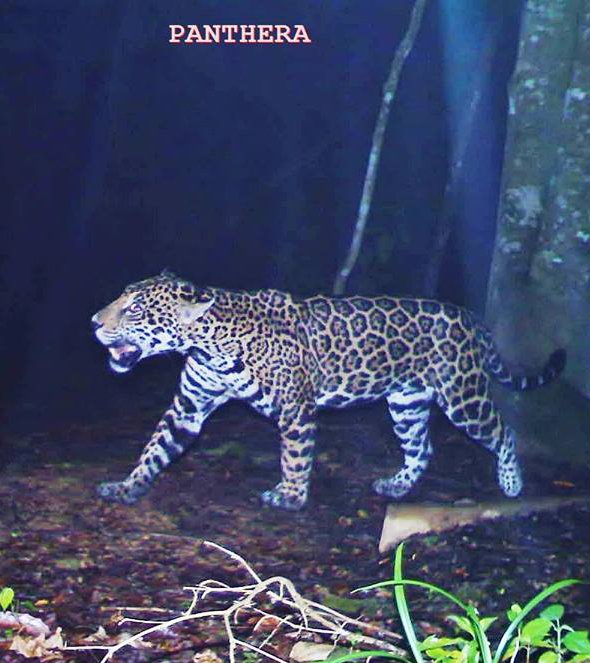
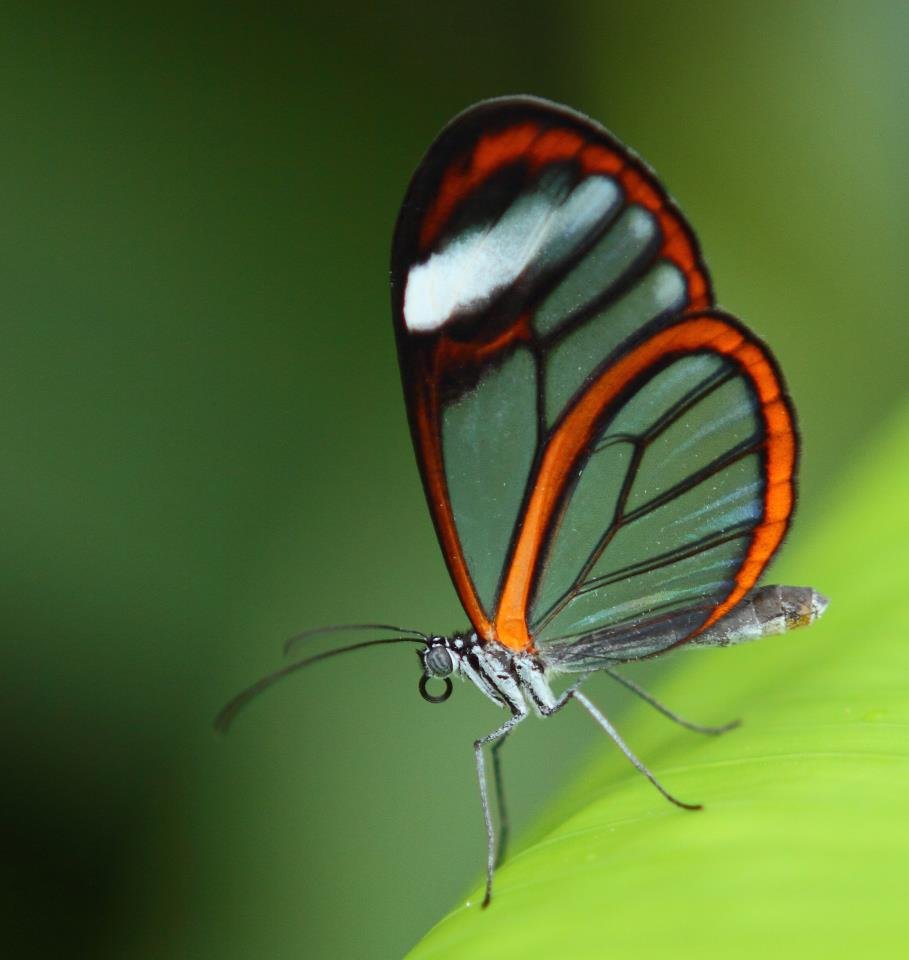
The Cuero and Cangrejal Valleys are of critical conservation importance, as they border Pico Bonito National Park, including a large area of primary tropical rainforest home to jaguars, pumas and howler monkeys alongside a biodiverse wealth of other species.
The Park also provides important ecosystem services, including maintaining and regulating the flow of the area’s rivers and preventing soil erosion and landslides on the steep mountainous terrain. Slash and burn farming is a major threat to the Park, with much of the buffer zone already degraded by subsistence farming practices and the core zone increasingly at risk.